Previous names
- Fingal
- 2016 Windsor Castle
Details
Construction
Dimensions
History
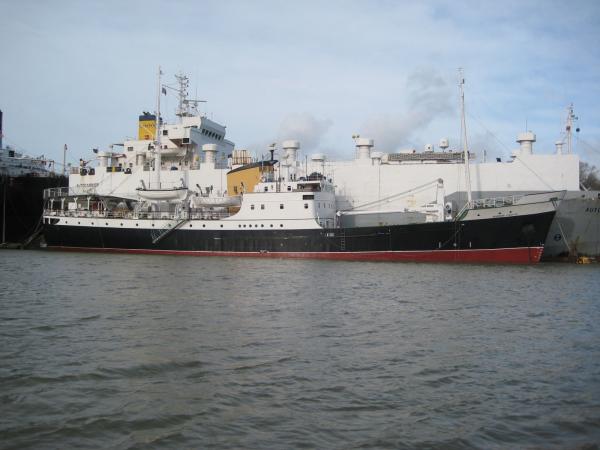
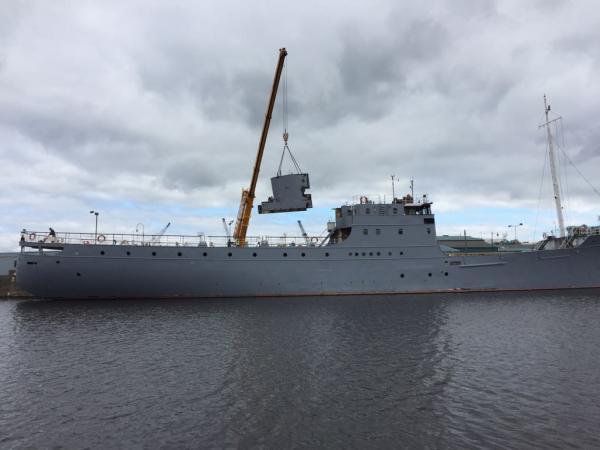
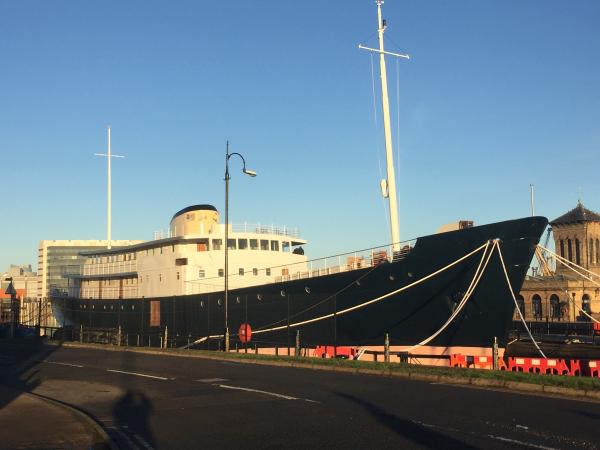
Launched in August 1963, this tender vessel was the last ship built by the Blythswood Shipbuilding Company, Glasgow, and was previously the Northern Lighthouse Board's (NLB) tender FINGAL. At some time after she was launched, a flight deck was added, which required the mizzen mast to be moved forward. She was Leith-registered but spent most of her NLB service working out of Oban for 30 years, followed by her last six years in Stromness, Orkney.
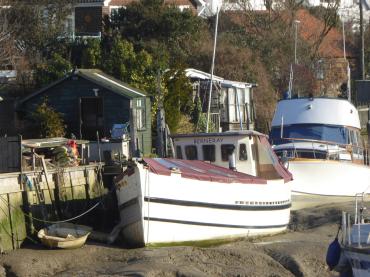
When she retired from NLB service in 2000 she was sold to a private owner who fully maintained her, moored on the River Fal in Cornwall for the next 14 years until she was acquired by Britannia (The Britannia Trust) in 2014.
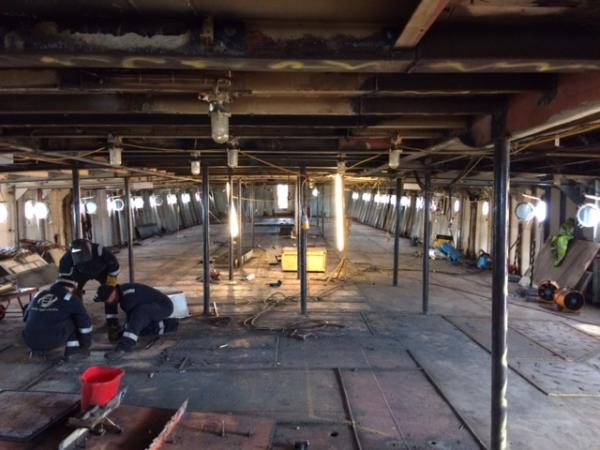
At nearly 73m long, FINGAL was both big enough to convert into a commercially viable small hotel and not too big to be beyond the Trust's budget, so when the deal to acquire her, or Windsor Castle as she had been renamed, was completed the ship went into Falmouth dry dock for an insurance survey to ensure she was suitably seaworthy to be towed to Edinburgh.
FINGAL was safely towed to Leith, arriving in August 2014, and the detailed designs for the conversion could begin. The Pedley Group's £5m 'design and build' conversion took the best part of two years to complete and had a soft-opening in January 2018. Now a 5 star hotel, it is being managed by Britannia's trading company; Royal Yacht Enterprises.
In September 2023, FINGAL was awarded the title of AA Scottish Hotel of the Year.
Significance
1. What is the vessel’s ability to demonstrate history in her physical fabric?
Evidence for designs, functions, techniques, processes, styles, customs and habits or uses and associations in relation to events and people. How early, intact or rare these features are may impact on significance.
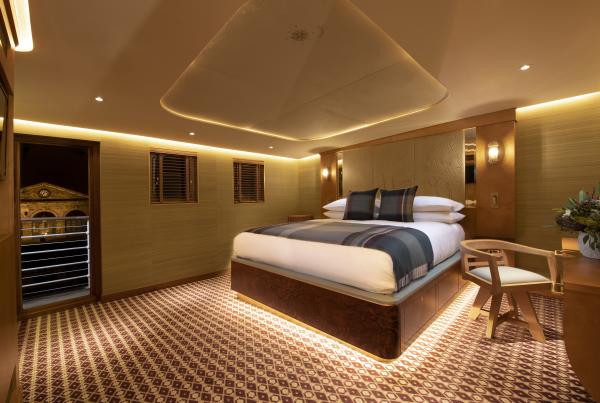
MV FINGAL was built by Blythswood Shipbuilding Co Ltd in Glasgow and was the last of the classic motor yacht tenders commissioned by the lighthouse authorities. She was a steel twin screwed vessel and, at some time after she was launched, a flight deck was added for helicopter operations which required the mizzen mast to be moved forward. During recent conversion to a hotel, FINGAL underwent major reconstruction and adaptation resulting in loss of some features. The ship was totally hollowed out to create 14-bedroom cabins on the main deck. The funnel was removed to allow two new decks to be built, the lower of which featured eight larger cabins and a presidential suite, while the upper deck housed a bar and small private dining room in the former wheelhouse. The top half of the funnel was then placed on top of this deck to give the appearance that it was part of the original construction. The conversion also included a round glass lift for the guests, plus a separate back of house lift and stairwell for staff. A ballroom was created in the ship’s former hold. She retains her original two 6-cylinder oil fired British Polar Engines Ltd which are decommissioned, but publicly viewable onboard.
2. What are the vessel’s associational links for which there is no physical evidence? Associations with people or places. Off-ship research.
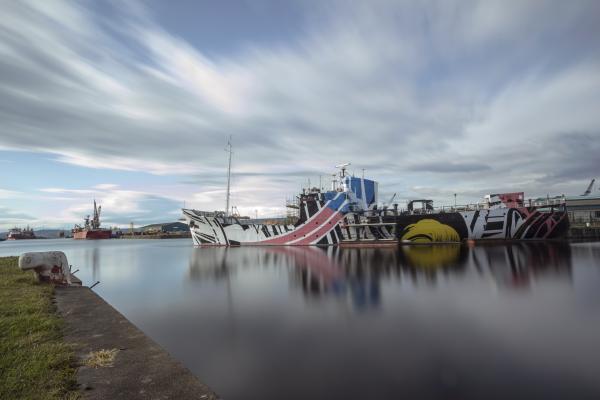
Launched in August 1963, FINGAL was the last ship built by the Blythswood Shipbuilding Company, Glasgow and was commissioned as a tender for the Northern Lighthouse Board. Registered in Leith, she was stationed for 30 years in Oban and then six years in Stromness, ferrying lighthouse keepers, essential supplies and maintenance staff to lighthouses, as well as undertaking repairs to navigational aids throughout the West Coast and the North of Scotland. She has a strong regional significance to this area and was also, on occasion, called on to service Trinity House and the Commissioners of the Irish Lighthouses. The name Fingal is believed to pay homage to the King of the Morven (Argyll) in ancient Caledonia during the 3rd century, further strengthening her Scottish connections. During her service life, FINGAL was sometimes requested to accompany the Royal Yacht BRITANNIA during official visits to Scotland and members of the Royal Family came onboard. In 2016, she was painted in dazzle colours for a brief period as part of the First World War commemorations. Her conversion to a luxury hotel makes full reference to her heritage, with each of the cabins named after one of Scotland’s lighthouses designed by the Stevenson family, carpets with astragal patterns and a lift resembling a Fresnel lens. The Princess Royal, as a patron of the Northern Lighthouse Board, stayed on FINGAL during its working life and since. FINGAL was recorded on the National Register of Historic Vessels in 2014.
3. How does the vessel’s shape or form combine and contribute to her function?
Overall aesthetic impact of the vessel, her lines, material she was built from and her setting. Does she remain in her working environment?
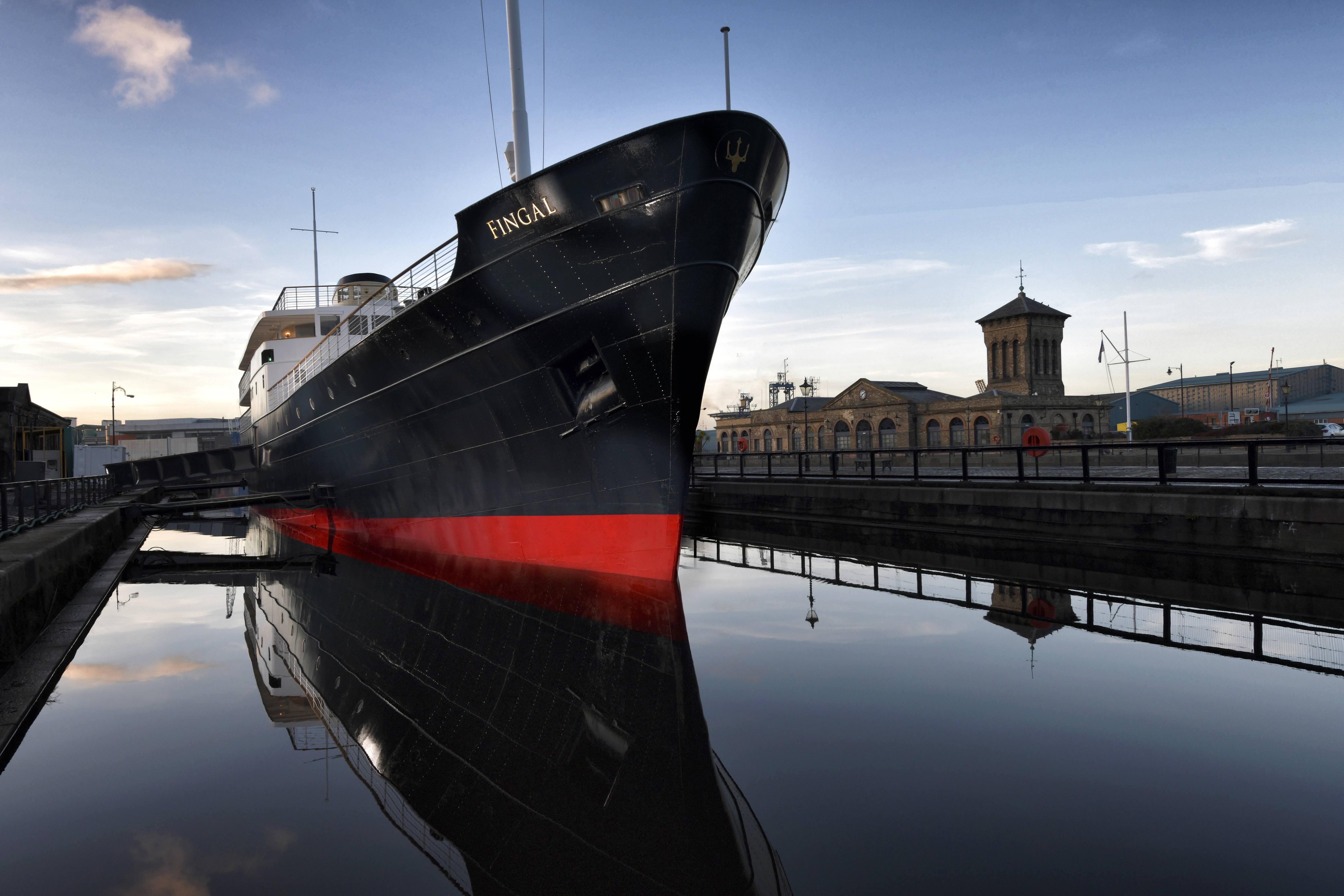
Built as a tender for the Northern Lighthouse Board, FINGAL needed to function as a comfortable and sea-worthy boat and proved herself fit for purpose in this respect according to original crew accounts. At nearly 73m long, she was of a suitable size to be commercially viable as a small hotel and was subsequently adapted for this use. Today, FINGAL is a striking sight, painted in deep navy with a bright red waterline and flood lit at night. She is permanently moored in Alexandra Dock in Leith, owned and maintained by the Britannia Trust.
Source: NHS-UK, December 2025
Own this vessel?
If you are the owner of this vessel and would like to provide more details or updated information, please contact info@nationalhistoricships.org.uk
More like this