Previous names
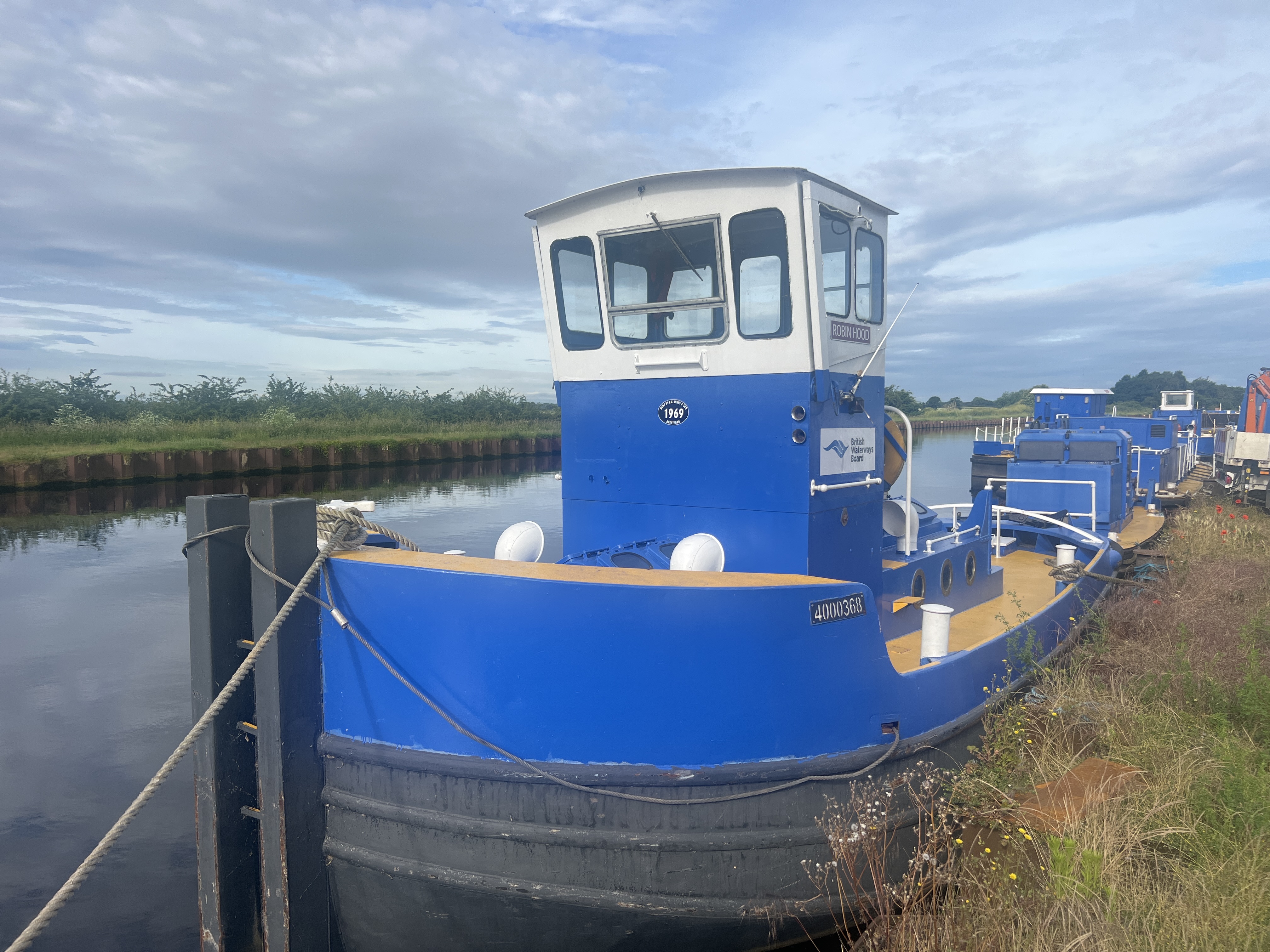
- 1969 Robin Hood
Details
Construction
Dimensions
History
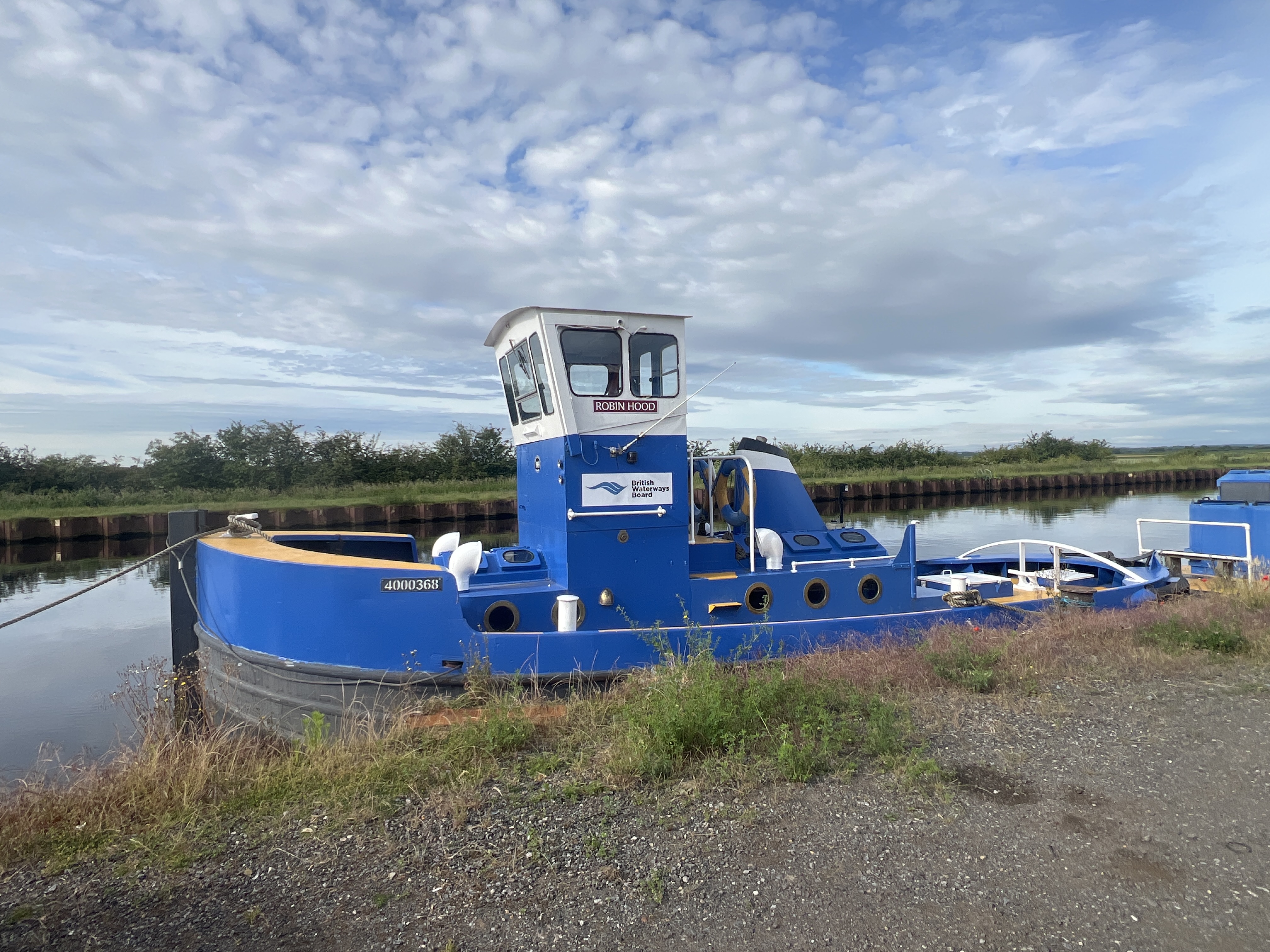
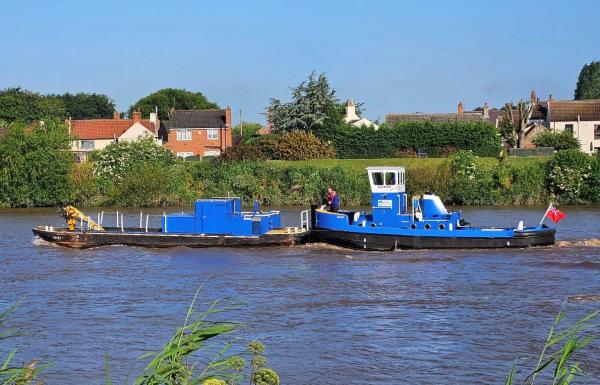
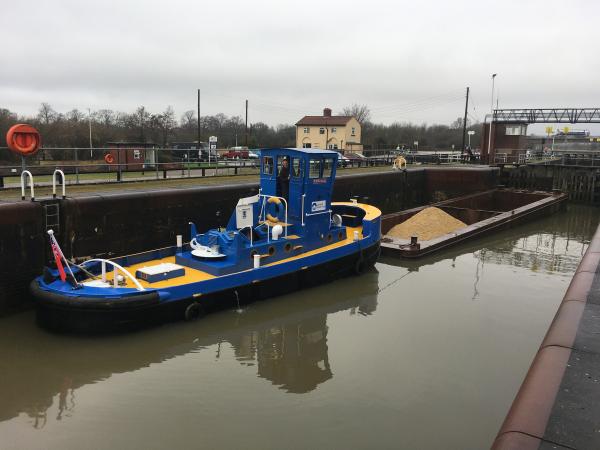
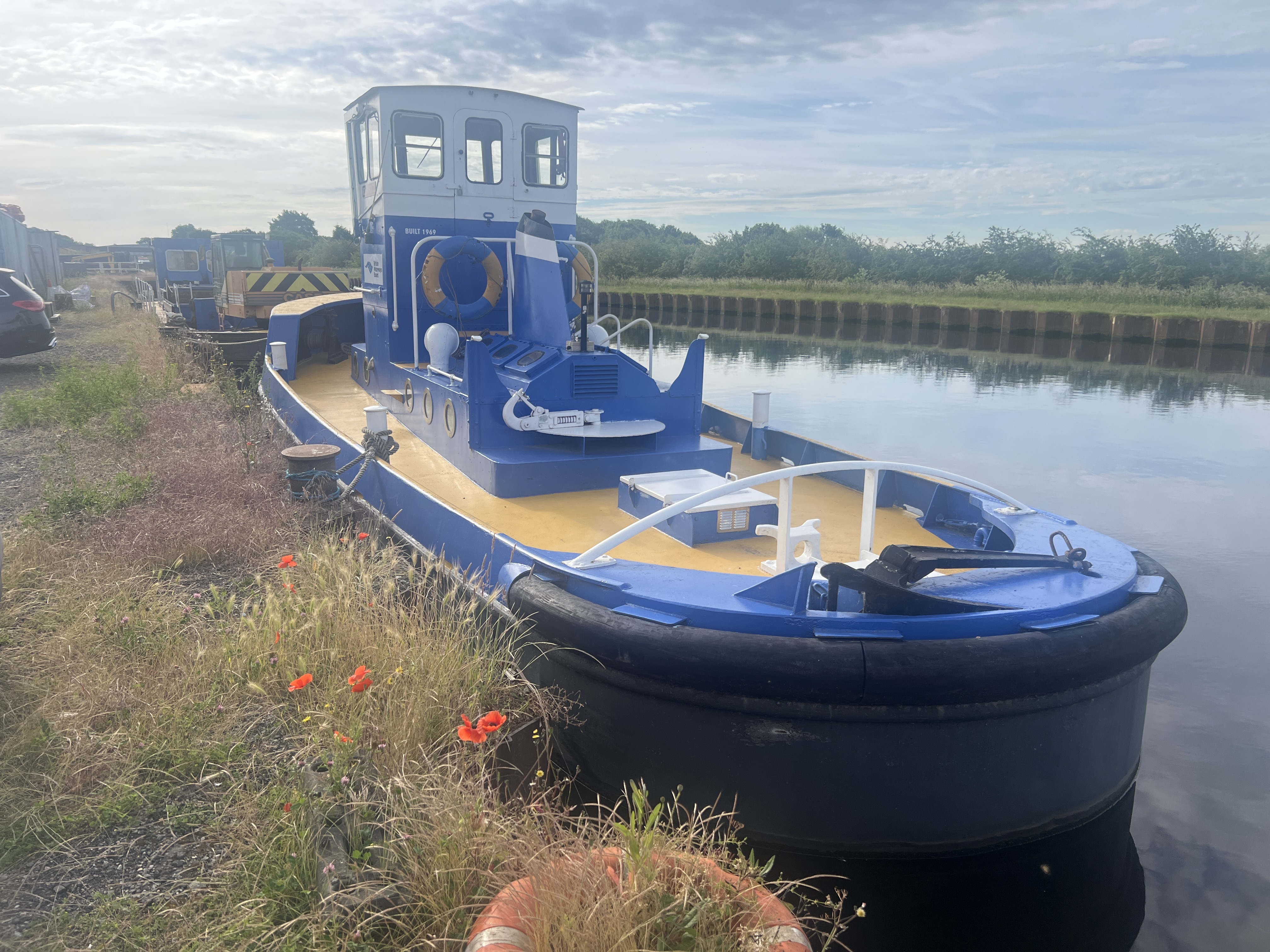
ROBIN HOOD (or Bantam 91) was the last one of the famous Bantam tugs ever made. These type of tugs class were produced between the late1940s until 1969. Launched in April 1969, the Bantam was designed as a push tug for the inland waterways, rather than the traditional towing tug, although ROBIN HOOD is equipped with a towing hook, all other were fitted with a towing bollard and rope guard over the stearing quadrant. Each one being slightly modified.
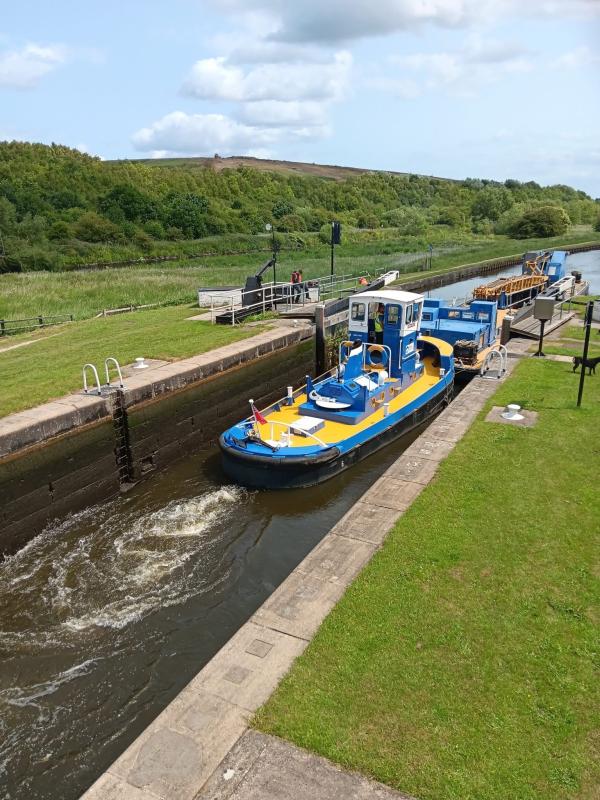
Batham tugs were generally steel welded and the smaller ones were not built in the conventional way but built from the deck downwards with the keel added last. Using a winch and steel cables, Bantam tugs lock onto the rear of a barge to create a single, highly manoeuvrable unit. These tugs were designed for confined spaces like inland waterways and gravel pits, where their tight turning radius provides superb manoeuvrability.
In 1948, the prototype Bantam was demonstrated on the Thames between Kew and Isleworth, securing a patent in 1950. The builder completed 89 Bantam Boats between 1948 and 1977. A testament to their durable design, numerous Bantams are still operating.
She still has the original engine (Kelvin 150 HP) and has a flip top wheelhouse, worked with hydraulics. She was built by E.C. Jones and sons of Brentford, for British Waterways Board (Nottingham) and is still in the same ownership today (2026), although the ‘board’ was dropped from the name in 1988, and then changed to a charitable trust in 2012, with a new name ‘Canal and River Trust’. She was used mainly with the dredging fleet on the river Trent until 2020, then transferred after a refit, to the Yorkshire Waterways of the Aire & Calder / Sheffield & South Yorkshire navigations.
Key dates
- 1969-04-18 Launched
Own this vessel?
If you are the owner of this vessel and would like to provide more details or updated information, please contact info@nationalhistoricships.org.uk
More like this
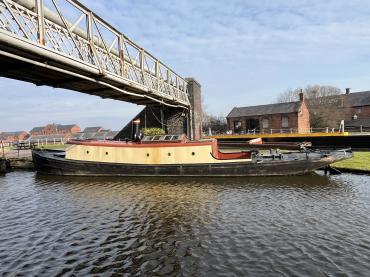
National Historic Fleet, built 1912 by Abdela & Mitchell, Brimscombe
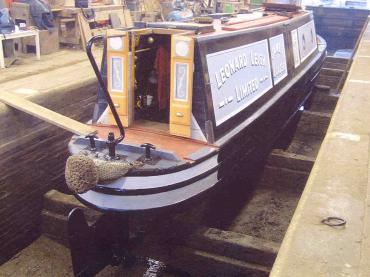
Registered, built 1946 by Worsey, Joseph, Walsall
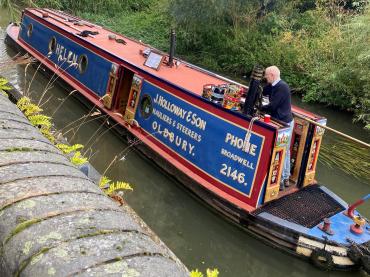
Registered, built 1941 by Harris Brothers, Netherton